The origins of Shell: A shell trade that opened new paths
Shell’s story begins in 1833 with the founding of a small family business by Marcus Samuel in London. Initially, this company specialized in trading exotic objects from the East, particularly shells. These shells were highly prized by Victorian collectors in England as decorative objects.
At the end of the 19th century, the company expanded under the leadership of Marcus Samuel’s sons, Marcus S. Jr. and Samuel S. The brothers saw beyond the shell trade and identified a major opportunity in trading another "shell": oil. At the time, oil export was still in its infancy, with significant logistical and safety constraints.
It was Marcus S. Jr. who identified a synergy between transporting high-value goods (like shells) and transporting oil. In 1892, he began transporting oil from the Caspian Sea region to the Far East using specially designed tankers. These ships, called "Murex," were the first tankers to cross the Suez Canal, revolutionizing oil transportation.
Thus, "Shell Transport and Trading Company" was created in 1897, with the idea of transporting oil in bulk safely and efficiently, just as they previously transported shells. The name Shell was kept not only as a tribute to their roots but also because the shell (the scallop shell logo) symbolized a bridge between their commercial past and their future in the oil industry.
The birth of Royal Dutch Shell and expansion into chemicals
In 1907, to face increasing competition from giants like Standard Oil, Shell merged with the Royal Dutch Petroleum Company, a Dutch company. This merger created Royal Dutch Shell, which became one of the largest oil companies in the world. Thanks to this merger, Shell could control all stages of the supply chain, from extraction to distribution of oil.
Over the decades, Shell used its expertise in refining and distributing oil to diversify into new sectors, including chemicals. As early as the 1920s, Shell recognized that by-products of oil refining could be used to produce basic and specialty chemicals, such as solvents and plastics, thus opening up a new source of revenue.
The Emergence of AeroShell: Seizing Opportunities in Aviation
Understanding the opportunities offered by chemicals, Shell took a closer interest in the emerging aviation industry, which needed specialized fuels and lubricants for aircraft. The demand for specialized aviation chemicals became clear in the early 20th century with the expansion of commercial and military aviation.
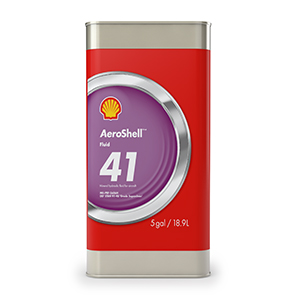
Thus, in 1933, Shell launched the AeroShell brand, designed to meet the specific needs of aircraft engines. AeroShell quickly gained popularity thanks to its high-quality lubricants that ensured the reliability of piston aircraft engines. During World War II, AeroShell strengthened its reputation by providing quality lubricants and fuels to Allied forces, proving their robustness in extreme conditions.
In conclusion,
I hope you will remember this story as an example of a company that knows how to seize opportunities to reinvent itself while remaining true to its identity.
Today, Shell continues to innovate by incorporating sustainable solutions such as Sustainable Aviation Fuels (SAF) and exploring biolubricants. It aims to position itself as a leader in the energy transition while maintaining its high standards of performance and quality.
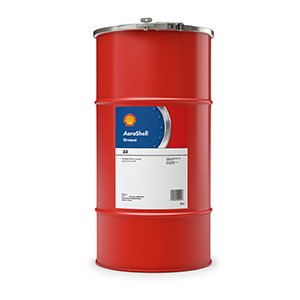
At Aviatec Global Aviation, we are an official distributor of AeroShell products. We offer lubricants for the following four application areas:
- Greases
- Fluids and Preservatives
- Turbine Engine Oils (TEO)
Piston Engine Oils
Our AeroShell products in stock are ready to ship.
Want to discover our solutions and test our services?
Our AeroShell chemical product catalog is available by clicking here: https://www.aviatec.net/fr/catalogue?manufacturer_ids[]=34
Certified EN9120, Aviatec Global Aviation has been supporting aeronautical professionals since 1998. We provide same-day availability and guarantee OTD (On-Time Delivery) and OQD (On-Quality Delivery).
#Energy #Innovation #AeroShell #Aviation #Leadership #EnergyTransition #CompanyHistory